

Planning a Residential Charging System for Safety, Convenience, and Future Needs
Choosing an EV charging setup for a home is not only about getting the battery filled as quickly as possible. The better question is whether the system can handle regular use month after month without becoming a nuisance or a safety concern. A well-planned home EV charging outlet should match the electrical capacity of the property, the changing needs of the vehicle, and the routines of the people using it. That balance matters because daily charging places repeated demand on cables, connections, breakers, and outlets. When those parts are properly selected and installed, charging becomes something that quietly works in the background instead of creating another household problem to manage.
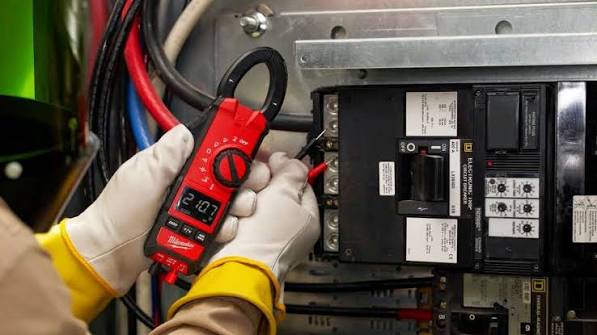
One of the first things worth looking at is the condition and capability of the existing electrical system. Older homes may have panels that were never designed with electric vehicles in mind, while newer properties may already have more room for additional load. Either way, the charging circuit should be considered alongside other major electrical demands such as heating, air conditioning, ovens, dryers, and hot water systems. A qualified electrician can assess whether the current panel has enough capacity or whether an upgrade, dedicated circuit, or load-management device would make more sense. This step may not be the most exciting part of EV ownership, but it can make a huge difference to long-term reliability.
The hardware itself also deserves attention. Charging equipment that will be used almost every day needs to be built for repeated connection, heat exposure, and regular handling. Cable quality, plug condition, outlet rating, and protective devices all contribute to how well the setup performs over time. A loose connection or unsuitable outlet can become more than an inconvenience if it is repeatedly exposed to high electrical demand. It is also useful to think about where the charger will be positioned. Easy access, weather protection, cable reach, and safe routing around driveways or garages can make daily charging much more comfortable and reduce unnecessary wear.
Planning for the future is another part that homeowners sometimes overlook. The vehicle parked in the driveway today may not be the same one used five years from now, and charging requirements can change with battery size, driving habits, or the addition of a second EV. Household electricity use may change too, especially if solar panels, electric heating, a heat pump, or new appliances are added later. A charging system with some flexibility can help avoid unnecessary replacement work. That does not always mean choosing the most powerful option available, it means choosing equipment and electrical capacity that make sense for both current needs and reasonable future changes.
Reliable home charging should feel convenient, predictable, and easy to live with. That usually comes from careful planning rather than simply installing the fastest equipment available. When a home EV charging outlet is correctly rated, properly protected, and matched to the electrical system, it can support years of everyday charging with fewer interruptions and less stress on household wiring. Regular visual checks, sensible cable care, and occasional professional inspection can help maintain that performance as the system ages. For homeowners planning to keep an EV for the long term, a thoughtful installation can turn daily charging into a simple routine while leaving room for changing vehicles, changing energy use, and whatever comes next.