

Gary P Masur Explains How a Second Mortgage Can Unlock Home Equity
Access Extra Funds Without Replacing Your Existing First Mortgage
Unexpected expenses rarely arrive at a convenient time. A major home repair, several high-interest debts, or another urgent financial need can put pressure on a household budget even when the first mortgage is working perfectly well. In situations like these, Gary P Masur can help homeowners explore whether a second mortgage offers a practical way to access available home equity without replacing their existing loan. That can be especially useful when the first mortgage has attractive terms that would be difficult to match today. Instead of disturbing financing that already suits the household, a second mortgage creates a separate borrowing arrangement that may provide the funds needed for a specific purpose.
Home equity generally grows as mortgage balances are reduced and property values change over time. A second mortgage allows qualified homeowners to borrow against part of that equity while the original mortgage remains in place. The amount available will depend on several factors, including the value of the property, existing mortgage debt, income, credit circumstances, and lender requirements. This is where clear guidance becomes important. Understanding how much can realistically be borrowed, what the repayment obligations may look like, and how the new loan fits alongside current expenses help homeowners see the complete picture before making a decision.
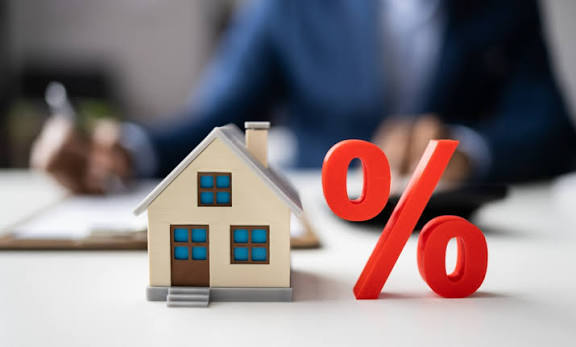
Debt consolidation is one reason homeowners may consider this type of financing. Credit cards and other unsecured debts can carry higher interest costs and multiple monthly due dates, which can make budgeting frustrating. Using home equity to combine some of those obligations may create a simpler payment structure, although it also means securing the new debt against the property. For that reason, the decision should be based on more than short-term monthly relief. An experienced broker can explain costs, repayment periods, and possible tradeoffs so the homeowner can judge whether the structure supports a realistic plan for reducing debt over time.
Home improvements are another common reason to look at a second mortgage. Roofing, heating systems, kitchen renovations, accessibility upgrades, or other substantial work can require more cash than many households keep readily available. Accessing equity may provide a way to fund those projects without selling investments or refinancing the entire first mortgage. The same approach may be considered when an unexpected financial situation calls for faster access to funds. Whatever the reason, the key is matching the amount borrowed to a clear need and keeping future payments manageable, rather than treating available equity as money that should automatically be spent.
A second mortgage can be useful, but it works best when the homeowner understands exactly how it affects the larger financial picture. With Gary P Masur, clients can review available equity, borrowing costs, repayment expectations, and the reasons for accessing cash before choosing a direction. Keeping a favorable first mortgage intact may be an important part of that conversation, especially when refinancing would mean giving up terms that still provide good value. By looking at the purpose of the funds and the long-term budget together, homeowners can decide whether a second mortgage offers the flexibility they need without unnecessarily reshaping financing that already works.
…